
Americas: Preliminary results show Asfura leading in Honduran presidential elections
Sectors: all
Key Risks: political stability
In Honduras, on 1 December preliminary results from 55 per cent of polling stations showed the conservative National Party’s Nasry Asfura leading with 40 per cent of the vote, ahead of the centrist Liberal Party’s Salvador Nasralla with 39.78 per cent, with only 5,000 votes separating them. The ruling leftist Libre party’s Rixi Moncada trailed behind with 19.18 per cent. This came after on 26 November US President Donald Trump intervened in the close race and backed Asfura, while warning that Nasralla and Moncada would lead the country down the same path as Venezuela and threatening to cut off US aid in the case that either of the two candidates won. With a history of election-related disputes, the risk of contested results will remain heightened amid concerns over the electoral process and mutual accusations of vote fixing among the top three candidates. Final results are expected in the coming days.
Click here to access Honduras’s Global Intake country profile.
Asia Pacific: Continued unrest likely in Riau province amid Indonesia’s palm oil seizures
Sectors: palm oil; manufacturing; biofuels
Key Risks: political violence; vandalism; confiscation risks
In Indonesia, on 25 November Jakarta confirmed that it had increased security levels at the Tesso Nilo National Park in Ukui district, Riau province, after on 21 November a mob stormed the gates and damaged Tesso Nilo’s infrastructure. The attack came in response to Jakarta’s 20 November seizure of over 3.7 million hectares of palm oil producing land, triggering widespread unrest in the provincial capital, Pekanbaru. The government claimed that approximately 47 per cent of the land claimed in Tesso Nilo consisted of “illegal” palm oil operations, before transferring it to the state-run Agrinas Palma Nusantara company. The transfer rendered Agrinas the largest palm oil producer by land size in the world. Continued unrest across Riau province, as well as targeted attacks against seized plantations run by Agrinas, are likely in the coming days as local communities seek to reclaim lucrative palm oil operations.
Click here to access Indonesia’s Global Intake country profile.
Eurasia: US signals progress in peace talks with Ukraine ahead of meeting in Moscow
Sectors: all
Key Risks: war-on-land
In Russia, on 2 December Russian President Vladimir Putin will meet senior US officials amid talks to end the war in Ukraine. US Secretary of State Marco Rubio signalled that progress was made in difficult but productive talks with Kyiv on 30 November. Rubio met a delegation headed by Kyiv’s new chief negotiator Rustem Umerov, who replaced Andriy Yermak. On 28 November Yermak resigned as head of the president’s office after authorities raided his home amid a massive graft scandal involving Ukrainian President Volodymyr Zelensky’s close allies. Yermak was not named as a suspect in the probe into a US$100m kickback scheme in the energy sector, but officials demanded his dismissal over the case. Washington is leading an intense push for an agreement between Kyiv and Moscow, pressuring Ukraine to accept key Russian demands while the graft scandal weakens Zelensky’s position.
Click here to access Russia’s and here to access Ukraine’s Global Intake profile.
Europe: Serbia’s Nis refinery risks shutdown without US sanctions waiver by 2 December
Sectors: oil and gas; energy
Key Risks: economic and business risks; sanctions
In Serbia, on 28 November Energy Minister Dubravka Djedovic stated that the US-sanctioned Russian-owned Nis oil refinery would operate in “idle mode” until 2 December, when she expects another sanctions waiver. Belgrade requested the waiver on 19 November, and if granted, the refinery could produce the first quantities of diesel by 15 December. However, on 30 November President Aleksandar Vucic warned that Washington would not grant another waiver and that the refinery would stop operating on 2 December, adding that Belgrade will have to “find different ways to manage the situation”. This came after on 25 November Vucic gave Russia’s Gazprom and Gazprom Neft a 50-day deadline to sell their stake in Nis. On the same day, Nis announced a switch to “idle mode,” with experts warning that the mode should not exceed a few days. Nis’s shutdown cannot be ruled out in the coming days.
Click here to access Serbia’s Global Intake country profile.
MENA: Israeli settler attacks and IDF raids on Palestinians increase in the West Bank
Sectors: all
Key risks: disruptive unrest; political violence; arbitrary arrests; war on land; governability
In Gaza and the West Bank, on 30 November four foreigners were injured by 10 armed Israeli settlers while they were asleep at night in the Duyuk area of Jericho, in the West Bank. All the victims’ personal belongings were stolen. On 27 November two unarmed Palestinians who appeared to be surrendering were killed in an Israel Defense Forces (IDF) raid in Jenin. Tensions between Palestinians and Israeli settlers have increased significantly in the West Bank since the US-backed Gaza ceasefire took effect on 10 October, with October recording the highest monthly number of settler attacks since 2006, with over 260 incidents. IDF “counterterrorism” raids have also resumed since the ceasefire, with around 100 people arrested on 19 November. An escalation of violence in the West Bank cannot be ruled out, with wide-ranging IDF operations in the area increasingly likely.
Click here to access Gaza and the West Bank’s Global Intake profile.
Sub-Saharan Africa: DRC and Rwanda set to sign peace treaty in Washington
Sectors: all
Key risks: regional conflict; regional tensions
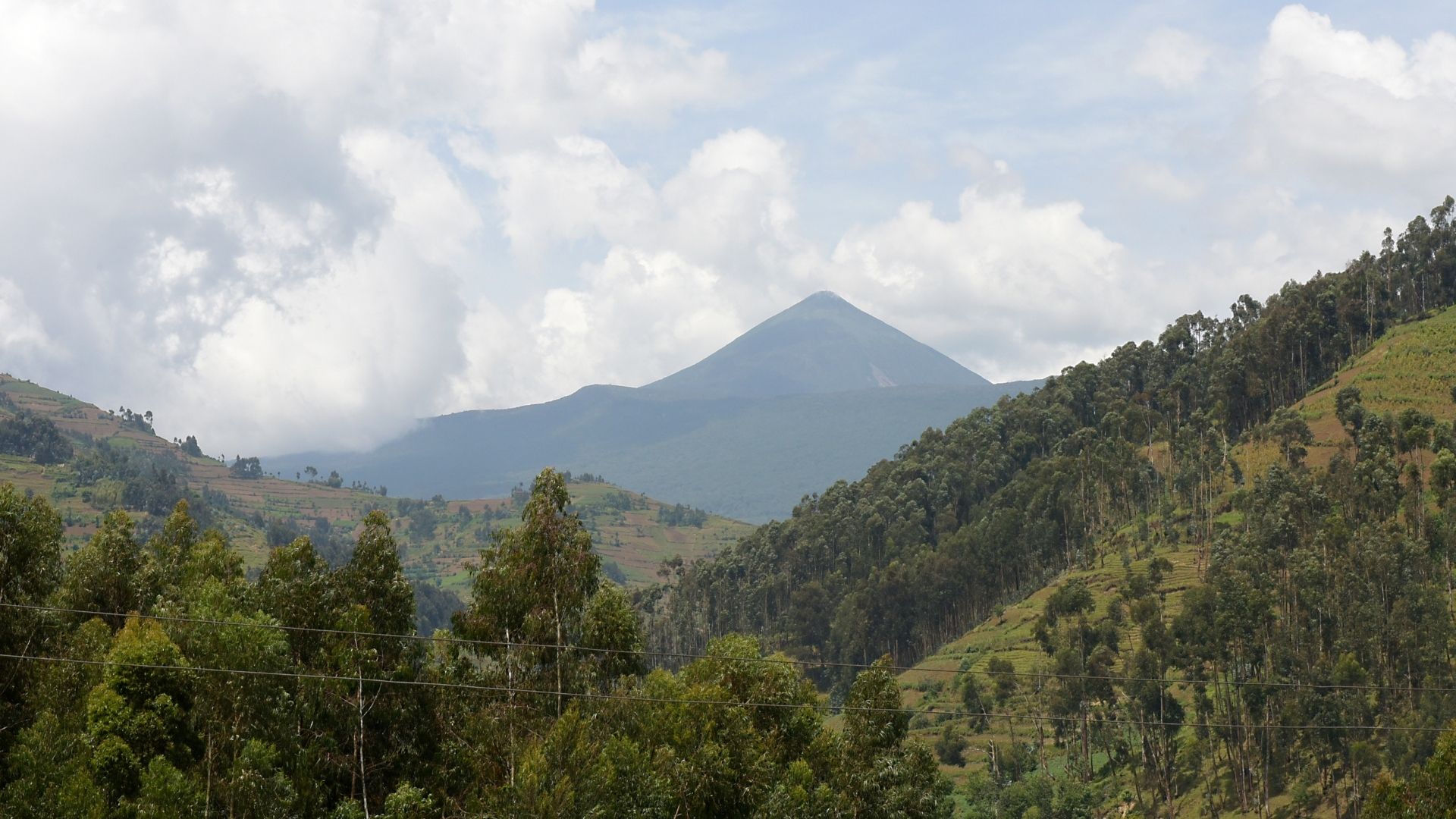
On 4 December government representatives of the Democratic Republic of Congo and Rwanda are reportedly set to sign the next phase of the peace agreement in Washington. Although steady progress was made in finalising the economic and security agreements, the latest stage of the US-brokered peace deal will come off the back of the Qatar-mediated peace talks between Kinshasa and the Rwanda-backed March 23 Movement (M23) rebel group on 15 November during which both sides signed a peace agreement outlining the remaining six protocols. Despite the ceasefire agreements in place, M23 and pro-government militias, known as Wazalendo, in North Kivu and South Kivu provinces continue to undermine the prospect for its enforcement. Talks in Washington are likely to yield limited diplomatic breakthroughs, with Kinshasa and Kigali accusing each other of violating prior agreements.
Click here to access the DRC’s and here to access Rwanda’s Global Intake country profiles.