
Date first published: 27/11/2025
Key sectors: all
Key risks: regional escalation; regional conflict; policy uncertainty; economic risks; business disruptions; trade disruptions; supply chain disruption; trade friction
Risk development
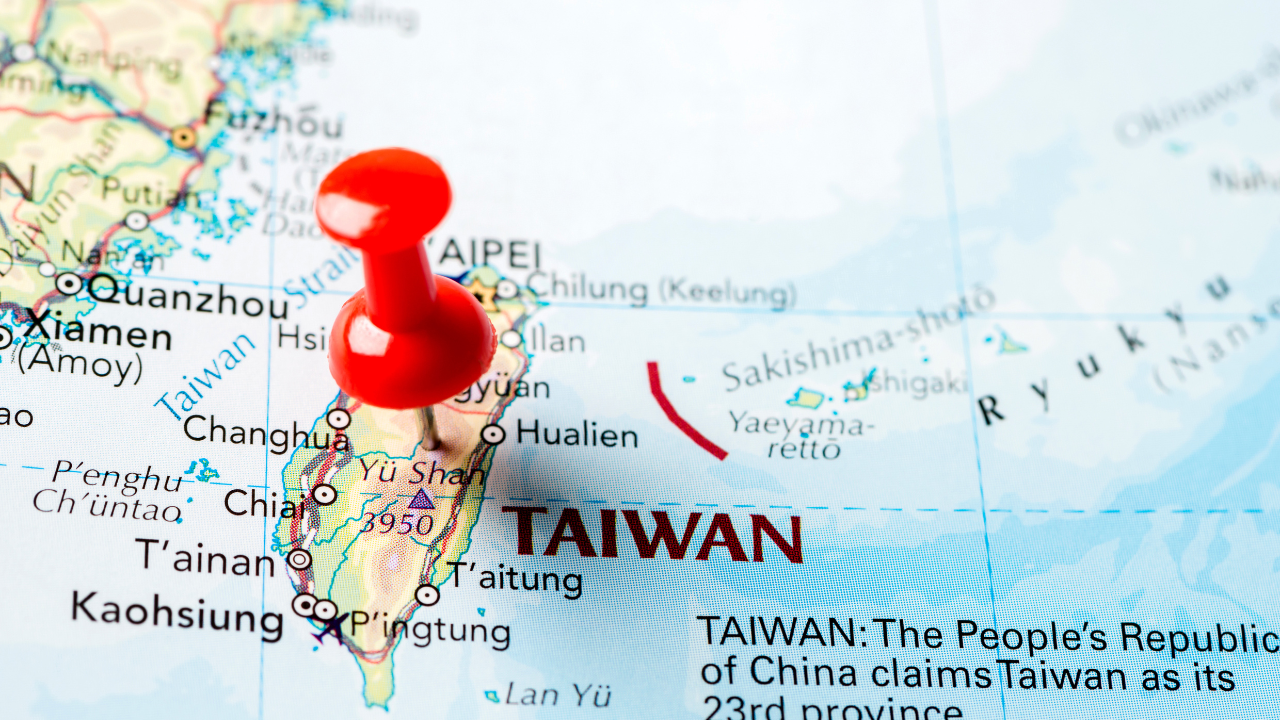
On 26 November, Beijing’s spokesperson for the Taiwan Affairs Office, Peng Qingen, issued a sharp warning declaring that China would “crush any foreign interference” over Taiwan and affirming its determination and capability to defend its sovereignty and territorial integrity. The statement came in response to a string of escalating actions, beginning with Japanese Prime Minister Sanae Takaichi’s 7 November remarks that Japan could intervene militarily if a Chinese attack on Taiwan threatened its national survival. Tensions further escalated on 23 November, when Tokyo announced plans to deploy missiles on Yonaguni Island, a strategic outpost near Taiwan. Peng condemned the move as “extremely dangerous,” accusing Japan of deliberately provoking regional tensions.
Why it matters
Takaichi’s remarks on 7 November sparked the most serious diplomatic clash between East Asian powers in recent years, setting off a chain of reactions that have escalated tensions. Beijing responded by advising against travel to Japan on 14 November, reinforcing its warning on 26 November, while also banning seafood imports on 19 November, as well as provoking negative coverage in state media and direct threats towards Takaichi. Meanwhile, Taiwanese President Lai Ching-Te signalled support for Tokyo by posting photos with Japanese seafood on 20 November. Beijing continues to impose restrictions on Tokyo, with tensions showing no signs of easing, underscoring the risk of prolonged economic and strategic friction between the two regional powers. The standoff carries significant risks for Tokyo, China’s largest trading partner, though Beijing is also likely to incur costs if tensions escalate.
Background
Beijing is employing a familiar strategy to signal its displeasure with Takaichi’s remarks on Taiwan, echoing past measures such as tariffs on Australian wine in 2020 and restrictions on Philippine banana imports in 2012. The Chinese government is leveraging its economic influence to pressure Tokyo while simultaneously using sharp rhetoric against the Japanese administration. Measures such as reimposing seafood import bans, cancelling concerts, delaying movie releases and advising citizens against travel to Japan are projected to cost between US$500m to US$1.2bln in tourism revenue from now till the end of 2025. However, Takaichi’s firm stance on Taiwan has strengthened her domestic political position, 6 weeks after taking office. Polls show high public approval and widespread support for the country’s right to self-defence, including among young voters – a demographic the ruling Liberal Democratic Party (LDP) has traditionally struggled to engage.
Risk outlook
The duration of the current standoff between China and Japan remains uncertain, with tensions showing no signs of abating. Chinese President Xi Jinping appears intent on pressuring Takaichi to retract her remarks while pushing the US to recognise Beijing’s authority over Taiwan. However, Takaichi has refused to do so, maintaining that her statements align with Japan’s long-standing policy, signalling that the dispute is likely to persist. The situation’s trajectory will largely depend on shifts in Chinese military activity near Taiwan, adjustments in Japan-US coordination and changes in public communication from both sides.
Beijing could further escalate the dispute through investment restrictions, anti-dumping measures or trade investigations. With Tokyo currently lacking substantial leverage over China, Japan is quietly pursuing “de-risking” strategies, including diversifying supply chains and reducing reliance on Chinese markets and rare earths. Efforts to de-escalate have so far been limited: a meeting between senior Japanese and Chinese officials in Beijing on 18 November produced no significant breakthrough. Meanwhile, Japan continues to urge its citizens in China to exercise caution, emphasising vigilance and safety amid the ongoing tensions. As both sides dig in, the standoff shows no signs of cooling, leaving regional stability hanging in the balance.