
Date first published: 23/12/2025
Key sectors: all
Key risks: targeted attacks; political polarisation; terrorism
Risk development
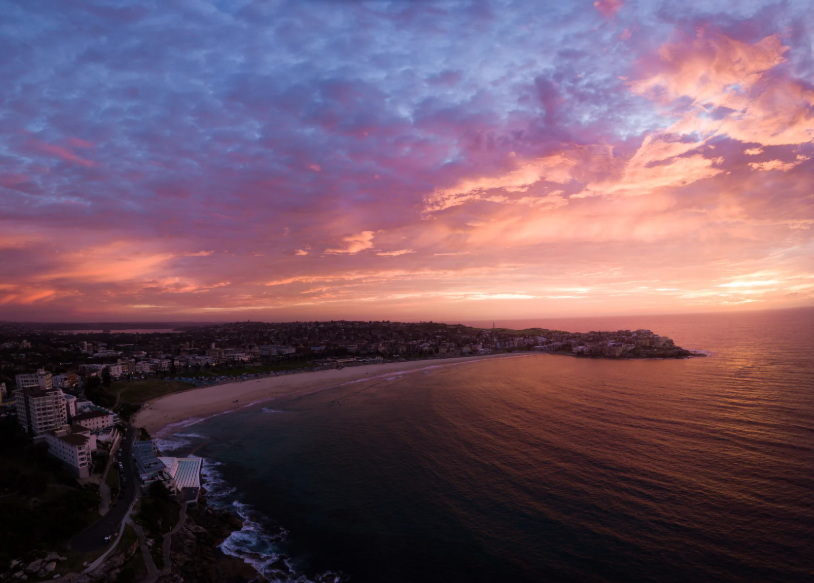
On 14 December at least 16 people, including one assailant, were killed, and 42 others were injured during a shooting attack at Bondi Beach in Sydney, New South Wales state. Bomb disposal experts stated that three IEDs had also been thrown but failed to detonate. Police stated that the attack, carried out by Sajid and Naveed Akram, respectively a father-son duo, targeted Jewish attendees of a Hanukkah celebration taking place on the beach.
Why it matters
The attack was one of the country’s biggest mass casualty events and has triggered considerable scrutiny over the Australian Security Intelligence Organisation (ASIO). On 2 December ASIO published a threat assessment stating that “events attracting large crowds during the holiday period” were the most likely target for an attack in the country. While Sajid Akram was a holder of a valid firearms licence, Naveed Akram was previously investigated by ASIO due to his association with individuals linked to an IS-inspired militant network. However, at the time of the attack, Naveed was not assessed to be a credible security threat. The 14 December attack has therefore greatly exposed vulnerabilities in the country’s intelligence and security capabilities by allowing an individual to own firearms while his close relative was monitored by authorities without state intervention.
Background
The mass shooting came amid a series of attacks targeting the country’s Jewish community since the outbreak of the Israel-Gaza war on 7 October 2023. On 21 January a Jewish childcare centre in Sydney, New South Wales state was set on fire and vandalised with anti-semitic graffiti. On 4 July a synagogue in Melbourne, Victoria state was targeted in an arson attack, while a mob stormed an Israeli restaurant in the Docklands neighbourhood before throwing glasses and smashing chairs. While no casualties were reported in either case, the trend is indicative of growing threats to the Jewish community across the country.
Moreover, the assailants in the Bondi Beach attack were discovered to have travelled to Davao city, Mindanao region, Philippines from 1 to 28 November, where they are speculated to have met with members of an unidentified IS-linked militant group before returning to Australia. While staff at the GV Hotel, where the assailants stayed, reported that the two rarely left their room, the small size of militant cells in Davao region indicates that they were likely capable of moving into the city undetected.
Risk outlook
Continued targeting of Jewish communities is likely to amid growing tensions between Muslim and Jewish communities and the lack of a durable resolution for the ongoing Israel-Gaza war. While the expansion of police and intelligence capabilities is likely, the risk of targeted attacks against synagogues, community centres and businesses linked to Israel and Jewish communities will likely remain moderate.
Moreover, the 19 December proposal to enact a ban on all protests in New South Wales for up to three months may trigger significant backlash from advocacy organisations, including indigenous rights and climate action protesters. Despite New South Wales Premier Chris Minns’ statement of confidence that the law would imminently pass, the proposal risks backfiring by spurring unrest throughout the state. While renewed unrest is not expected to specifically target the Jewish community’s assets, small-scale collateral damage to organisations and businesses linked to Israel cannot be ruled out.