
Date first published: 20/01/2026
Key sectors: all
Key risks: regional tensions; civil war; economic risks; business risks
Risk development
On 9 January reports indicated that the Sudanese Armed Forces (SAF) was close to signing a US$1.5bln arms deal with Pakistan. The deal included the purchase of 10 Karakoram-8 light attack aircraft, 200 drones and advanced air defence systems. The arrangement is reportedly linked to a US$3-4bln Saudi-Pakistani defence relationship, suggesting possible Saudi facilitation.
Why it matters
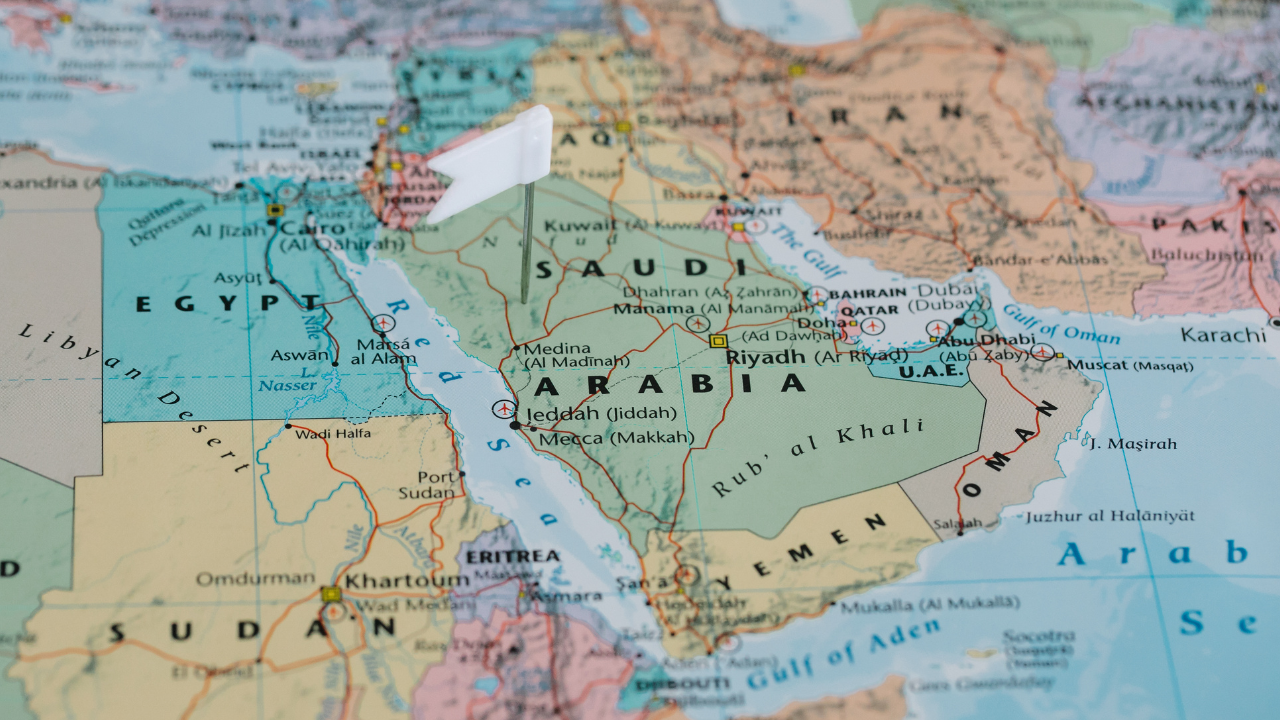
Continuing armed support by regional powers for the SAF and paramilitary Rapid Support Forces (RSF) organisation is increasingly turning the civil war, ongoing since April 2023, into a proxy conflict shaped by regional rivalries. The SAF has received backing from Egypt and Saudi Arabia, while the RSF has been widely accused of receiving weapons and logistical support from the United Arab Emirates (UAE), a charge that Abu Dhabi officially denies. The 9 January deal is likely a strategic step by Saudi Arabia to capitalise on the UAE’s shifting foreign policy following major setbacks in Yemen and Somalia in December 2025 and early January.
Domestically, the growing sophistication of weaponry, particularly loitering munitions, will continue to shape the nature of conflict. Loitering munitions have been a key part of the RSF’s offensives since its capture of El-Fasher, North Darfur state, on 26 October 2025. Notably, 28 people were killed, and 73 others were injured in an RSF drone attack that targeted a meeting of state governors from SAF-controlled territories, in Singa, Sennar state, on 12 January, illustrating the heightened risks to civilians from the proliferation and effectiveness of these systems.
Background
External support for the warring parties is linked to geopolitical competition for influence and access to resources in the Red Sea region. Beyond influence, the competition for natural resources, particularly gold, has fuelled tensions. The UAE, formerly Sudan’s largest gold purchaser, has leveraged regional networks, including Libya, Chad, Ethiopia and Somaliland, and built relationships with unrecognised governments to supply the RSF, facilitate gold smuggling and access key resources while destabilising governments typically aligned with Saudi Arabia, Turkey, or Egypt. This pushed the SAF to ban all economic activity related to the UAE on 12 August 2025 in an effort to curb gold smuggling.
Differing agendas within the regional peace process, including the Quad grouping of the UAE, Saudi Arabia, Egypt and the United States, have hampered negotiations, as SAF leader General Abdel Fattah al‑Burhan has publicly rejected ceasefire efforts involving the UAE, accusing it of bias. Analysts warn that continued UAE support for the RSF will increase the likelihood of partition in Sudan to ensure the continued smuggling and sale of gold mined in the wider Darfuri region to Emirati gold markets.
Risk outlook
Further arms deals with the SAF are highly likely in the coming year as multiple regional and international players, likely Russia and China, seek to bolster their position along the strategically significant Red Sea. Arms deals will likely focus on air defences and drones, with governments unlikely to support a training/ground-based security arrangement as the conflict persists. The arms deal will also raise questions over the ability of the SAF and RSF, who were accused of war crimes, to purchase weaponry on the international market.