
Date first published: 17/02/2026
Key sectors: all
Key risks: regional escalation; insurgency; regional conflict; war on land
Risk development
On 7 February in a letter addressed to the Eritrean Foreign Minister Osman Saleh Mohammed, his Ethiopian counterpart Gedion Timothewos accused Asmara of illegally encroaching on Ethiopian territory. He described the development as “outright aggression” and demanded the immediate withdrawal of Eritrean troops and to put an end to collaboration with rebels. In response, Mohammed stated the assertions were “patently false and fabricated.” Since then, military sources have confirmed movement of troops along border areas, in the absence of hard evidence.
Why it matters
Deployment of Ethiopian National Defence Force (ENDF) troops in the area comes after Tigray Defence Force, the armed wing of the Tigray People’s Liberation Front (TPLF) separatist group, launched offensives on military and allied militia positions in Tigray region. Increasing instability in the Amhara and Tigray regions is being catalysed by Asmara, likely already working closely with regional armed groups. On 14 January authorities in Addis Ababa claimed to have intercepted a truck smuggling 57,000 rounds of ammunition from Eritrea destined for Amhara separatist militias, known as Fano, in Woldia, Amhara region, which Asmara denied. However, reports of Eritrea’s active engagement in opening arms supply routes into Ethiopia, and backing anti-government insurgents, is likely to provoke a reaction from Addis Ababa.
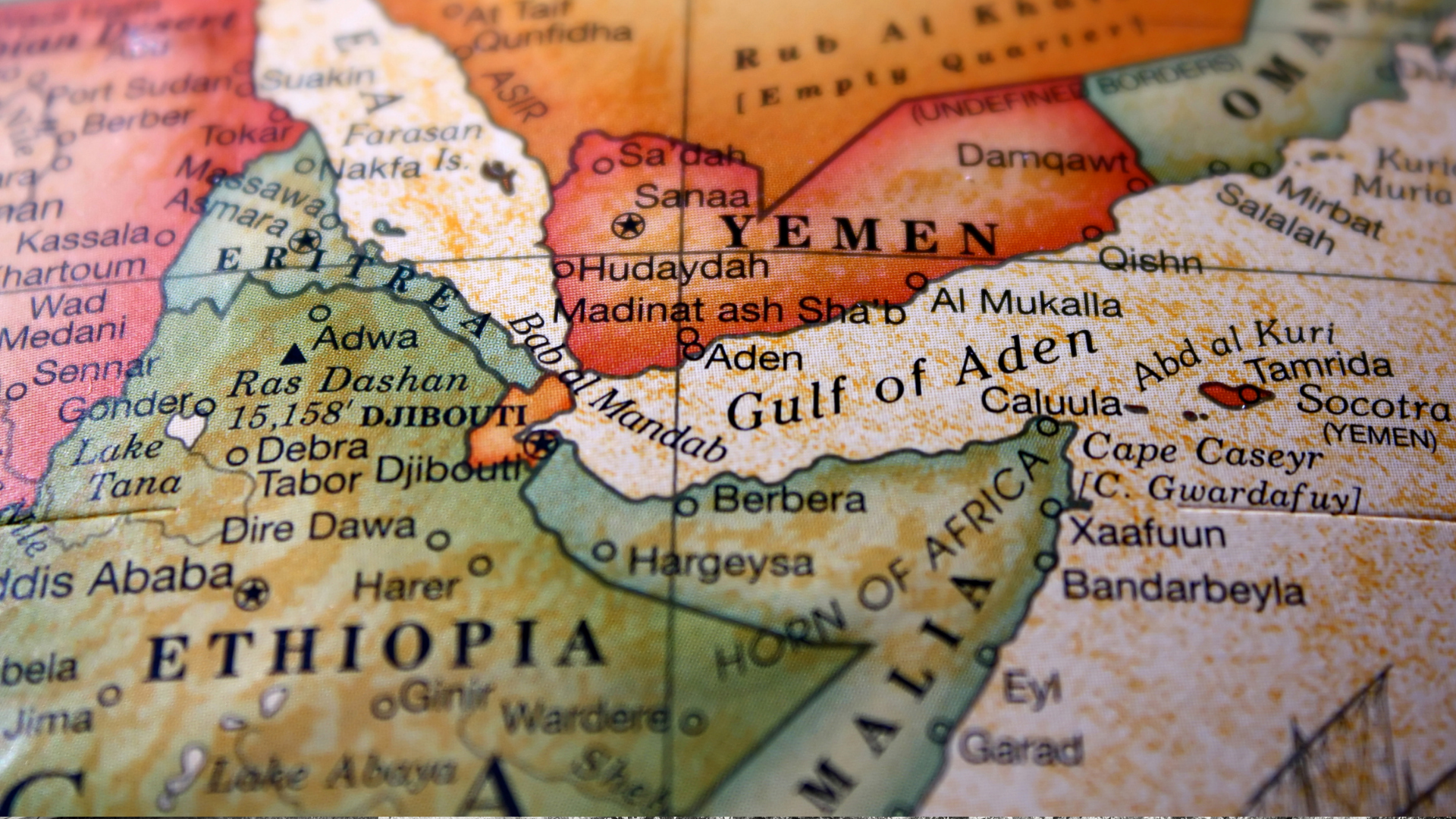
The domestic pressures of engaging in regional conflict and combating separatist insurgencies, especially in an election year, will test Prime Minister Abiy Ahmed’s political guile. Diplomatically, it could be worse. Ongoing disputes between Ethiopia and Egypt over water rights in the Nile River have pushed Eritrea closer into Cairo’s orbit. In response Egypt’s planned development of ports in Djibouti – through which the majority of Ethiopian maritime transit passes – and Eritrea’s Assab Port – where it has long pursued unfettered sea access.
Suggestions that Egypt’s investment in these critical ports would include berthing for warships and increase capacity to host small, elite military units, raise the stakes regionally. It occurs against a backdrop of Cairo deliberately aligning with Ethiopia’s regional rivals. Beyond this, the risks of countries in the Horn of Africa being absorbed into the ongoing Saudi-UAE competition over the Red Sea significantly heighten the risks of regional conflict. Ethiopia’s support of the UAE-backed Rapid Support Forces (RSF) in Sudan will further antagonise its enemies with an outlook made bleaker in the absence of a path towards a peaceful resolution.
Background
After achieving a historic peace agreement in 2018 Ethiopian and Eritrean relations peaked amid their close collaboration during the Tigray war. Exclusion of Asmara from the subsequent Pretoria Agreement which brought peace, albeit precarious, significantly eroded Asmara’s trust in Abiy and his government. Combined with his unrelenting pursuit of access to the Assab Port in Eritrea – relinquished by Ethiopia after Eritrea gained independence in 1993 – relations have worsened. Accusations from both neighbours of military provocation have grown since the middle of 2025 but the absence of hard evidence throughout the majority of this time has limited the scope of retaliations.
Risk outlook
Prospects of immediate de-escalation are made slimmer by Eritrea’s December 2025 withdrawal from the east African regional Intergovernmental Authority on Development (IGAD) bloc. This effectively closes the door on mediation led by regional partners and may export responsibility to international actors. However, their involvement elsewhere in the region has yielded limited progress as conflicts extend. Beyond this, with the Horn of Africa playing host to proxy battles, potential mediation efforts could be complicated by varying interests, raising conflict risks between Eritrea and Ethiopia.