
Date first published: 24/03/2026
Key sectors: all; mining
Key risks: corruption; gang violence; political uncertainty; business disruption
Risk development
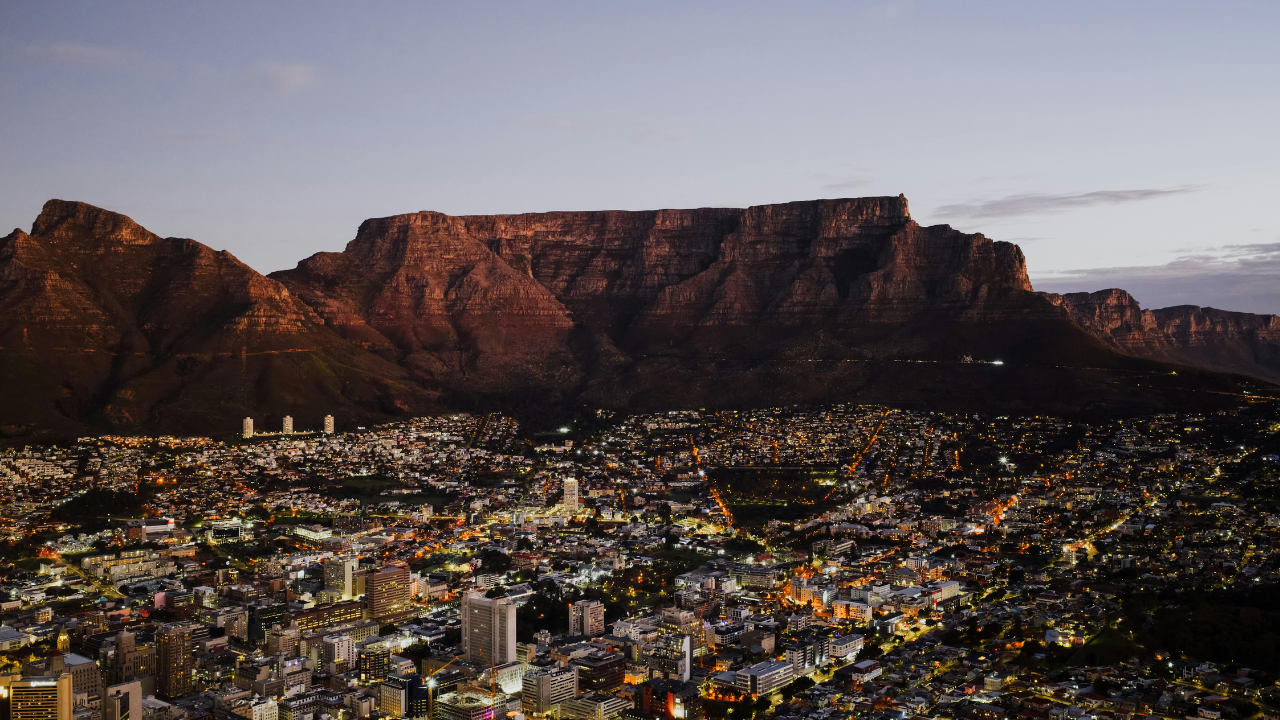
On 18-19 March the South African Police Services (SAPS) and the South African National Defence Force (SANDF) conducted an operational scanning exercise for hotspots in criminal activity in Cape Town, Western Cape province, ahead of a pending SANDF deployment. This came after on 11 March the South African National Defence Forces (SANDF) were deployed to working-class areas of Johannesburg, Gauteng province, and the surrounding areas for one year to curb gang violence in the city and organised criminal activity concentrated on illegal gold mining in Gauteng. Military deployments are also pending for Cape Town, Western Cape province, as well as Free State, North West and Eastern Cape provinces
Why it matters
The deployments, announced on 12 February by President Cyril Ramaphosa, are an escalation on tacking organised crime and gang violence in key hotspots amid worsening crime levels. Police-military operations seek to curb major spikes in organised criminal activity in Gauteng and Western Cape provinces, centred on decommissioned gold mines near Johannesburg and gang activity in Cape Town. Beyond illicit economies, gangs regularly extort local police, government and public sector organisations, which has caused delays to the provision of local services.
Organised crime has increasingly destabilised urban centres and undermined local economies, with gangs operating major illicit economies in Johannesburg, Cape Town and other cities. Military deployments and increases in crime rates in Q3 and Q4 2025, despite police crackdowns, expose the limitations in SAPS’s capability to counter violent crime. Although the SANDF would assist SAPS in its operations – with 550 soldiers initially deployed – questions persist over the degree to which the military will play an assisting role to police forces.
The SANDF deployments followed Ramaphosa’s warning to his African National Congress (ANC) since September 2025 to improve delivery of local services or face further backlash from the public in municipal elections in Q4 2026. Rising crime and a poor policing record, particularly in ANC areas, have led to lowered confidence in ANC rule. Ramaphosa’s statements in September 2025, 22 January and most recently on 19 March, have politicised local and state responses, crime rates and police performance.
Background
Prior to Ramaphosa approving SANDF deployments on 12 February, crime rates in major cities drastically increased in H2 2025. Cape Town reported a 9.1 per cent increase in murders and a 4.8 per cent increase in attempted murders in Q4 2025 compared to Q3 2025, with SPAS linking the increase to heightened gang activity. Additionally, organised criminal networks continue to operate extensive illicit economies in several provinces. Illegal mining, known as zama-zama, reportedly generates US$4bln a year, exacerbated by high gold prices globally.
Crime continues to be a key bottleneck for national economic growth, with some estimates placing illicit trade as costing the economy ZAR100bln (US$5.86bln) yearly. Organised crime has also hampered the delivery of local services and has infiltrated local police and government, exacerbating corruption issues and triggering military deployments. Previous deployments saw short-term success but were unable to effectively curb organised crime in areas with military presence, with civilians expressing concerns that crime would return at the end of the SANDF’s deployment in 2027.
Risk outlook
SAPS-SANDF operations will likely lead to a short-term drop in crime rates in targeted provinces but institutional issues with corruption and inefficient policing will continue to hamper state responses to crime rates for the foreseeable future. Additionally, illicit mining and other illegal trades will likely persist in the coming months, with a stagnant economy and lacklustre local response driving criminal activity. The politicisation of military deployments will also increase criticism of the ANC in the coming months and will depend on the SANDF’s performance.