
Date first published: 14/042026
Key sectors: defence and security; energy; infrastructure
Key risks: civil war; political impasse
Risk development
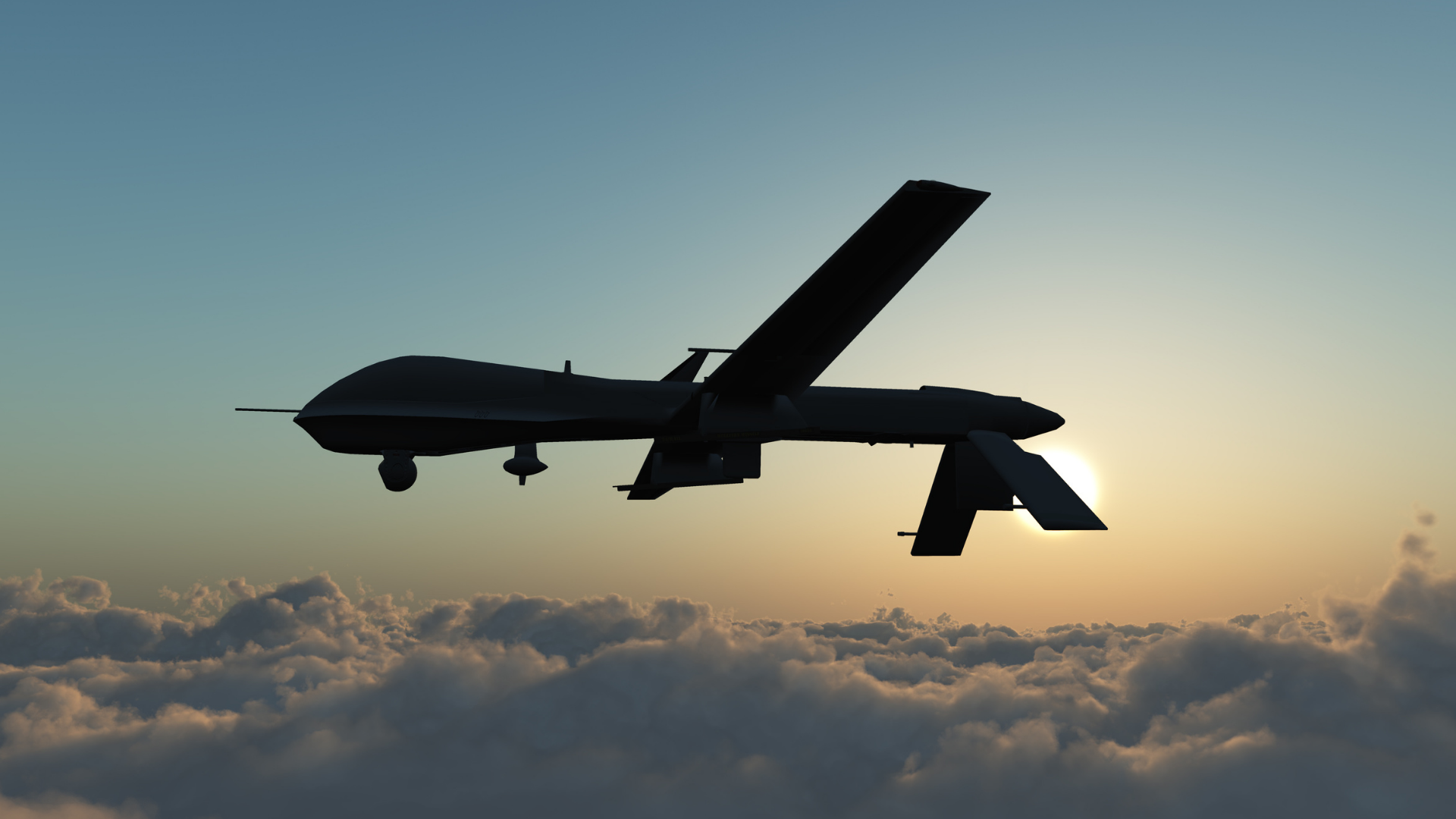
On 1 April satellite imagery revealed that at least three Chinese and Turkish unmanned aerial vehicles (UAVs), alongside ground control systems, had been deployed at Al Khadim Air Base near Benghazi between April and December 2025, in an apparent violation of the UN arms embargo in place since 2011. The drone models likely include a Chinese-made Feilong-1 (FL-1) and Turkish Bayraktar TB2 platforms, significantly enhancing the Libyan National Army’s (LNA) aerial surveillance and strike capabilities.
The deployment coincides with a notable shift in regional alignment. Turkey, which previously supported the Tripoli-based Government of National Unity (GNU) during the 2014-2020 civil war, has increasingly engaged with the eastern government and LNA Commander Khalifa Haftar. High-level meetings between Turkish intelligence officials and LNA leadership throughout 2025, alongside repeated visits by Haftar’s son Saddam to Ankara, indicate a growing security cooperation driven by Ankara’s economic and energy interests in Libya.
This development also came amid broader efforts by Haftar to expand military procurement, including a reported US$4bln defence agreement with Pakistan and sustained attempts to acquire Chinese systems.
Why it matters
The introduction of advanced UAV capabilities marked a qualitative shift in LNA’s operational capacity, strengthening its ability to monitor and control southern and central territories, including key oil infrastructure and smuggling routes. Air power has historically been decisive in Libya’s conflict dynamics, and enhanced drone capabilities could rebalance deterrence between eastern and western factions, particularly if LNA reduces its reliance on external actors.
More significantly, Turkey’s evolving engagement with Haftar signals a recalibration of Libya’s geopolitical landscape. Rather than backing opposing sides, Ankara now appears to be hedging across rival centres of power to safeguard maritime, energy and reconstruction interests.
In parallel, the strengthening of LNA capabilities risks reinforcing parallel governance structures rather than advancing political unification. Increased military leverage may incentivise Haftar to consolidate de facto control over eastern and southern provinces, including revenue-generating assets, rather than engage in meaningful power-sharing negotiations with Tripoli.
Background
Since the 2020 ceasefire, Libya has remained politically divided between eastern and western administrations, with competing security structures and fragmented economic governance. The UN embargo has been widely violated, with repeated reports documenting the flow of advanced weaponry into the country. Meanwhile, UAV systems have played a central role, with both Turkish-supplied drones supporting Tripoli and Chinese-made systems previously operated by LNA. The withdrawal of earlier drone systems following the ceasefire has temporarily reduced aerial activity, but recent evidence suggests both sides are reconstituting air capabilities.
Parallel to military developments, a 9 April UN panel report indicates that networks affiliated with Haftar’s leadership have expanded involvement in oil diversion, fuel smuggling and arms transfers, including support to Sudan’s Rapid Support Forces (RSF). Control over energy infrastructure and illicit trade routes has become a key driver of political and military competition, particularly in southern provinces.
Risk outlook
In the short term, the deployment of UAVs is likely to strengthen LNA’s tactical advantage across key regions, notably in the south, enabling improved surveillance and targeted operations against rival groups and smuggling networks. This is likely to stabilise areas under LNA influence while deterring challenges from local militias.
However, the medium to long-term impact is destabilising. The convergence of Turkish, Chinese and other external interests around Haftar risks institutionalising Libya’s fragmentation by reinforcing parallel military and economic systems. Rather than shifting the balance toward national unification, external support is likely to deepen competitive state-building processes.
The risk of renewed escalation if rival factions pursue similar upgrades cannot be ruled out.