
Key sectors: oil & gas; all
Key risks: sanctions; policy uncertainty; regulatory changes; business risks; trade friction
Risk development
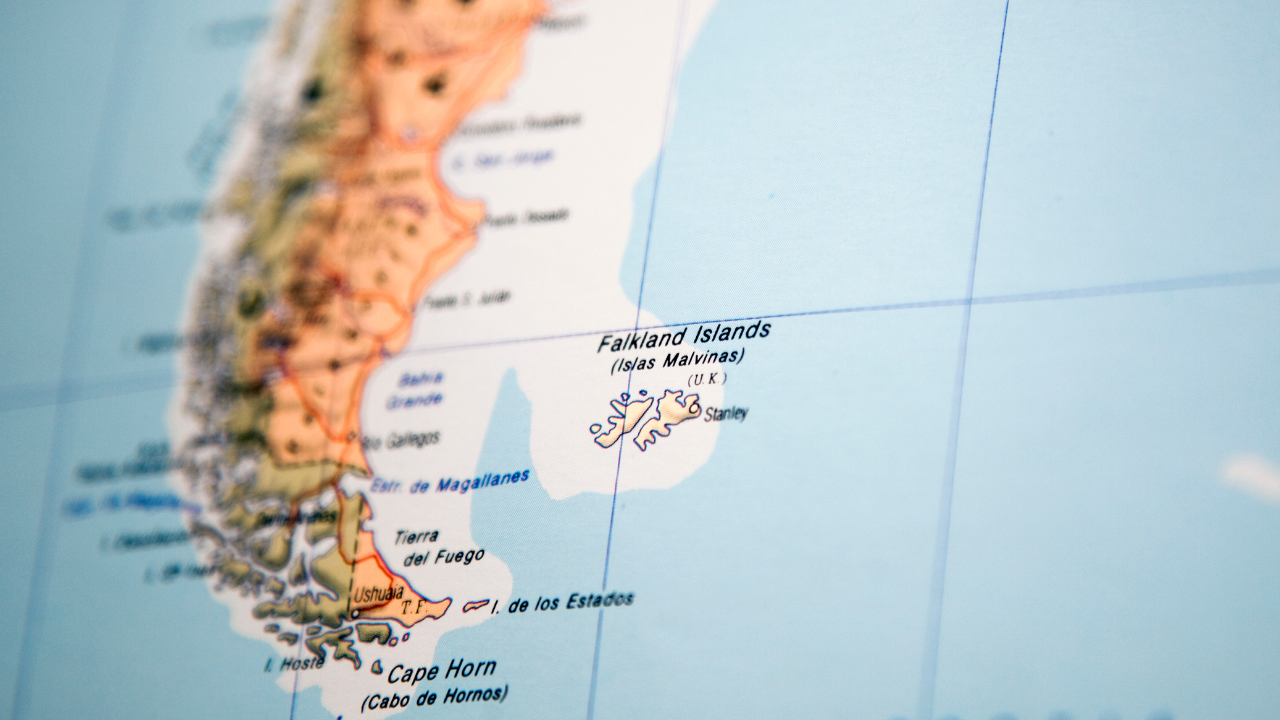
On 23 September at the UN General Assembly, Argentine President Javier Milei condemned the UN and warned that Buenos Aires would take “matters into our own hands” in its dispute with the United Kingdom (UK) over sovereignty of the Falkland Islands. Milei also criticised the Sea Lion project – a major offshore oil development in the North Falkland Basin operated by Israel-based Navitas Petroleum (65 per cent) alongside London-listed Rockhopper Exploration (35 per cent) – describing exploitation of the territory’s resources as an “unlawful act”.
The escalating rhetoric came after Milei’s government introduced a bill on 17 September to strengthen sanctions against companies and individuals involved in natural-resource activities in the Falkland Islands without Argentine authorisation. The move followed sanctions proceedings launched against more than 60 companies and individuals linked to offshore oil exploration around the islands, including the Sea Lion project. The legislation would also establish a National Security Council to oversee national security policy and protect critical infrastructure and sovereignty.
Why it matters
The developments indicate a harder line from Milei, particularly on offshore resources. Buenos Aires is moving beyond diplomatic claims towards legal pressure, increasing legal, reputational and operational risks for companies linked to Falklands resource projects. The exposure could extend beyond operators to suppliers, contractors, shareholders and other businesses with links to Argentina. Sea Lion reached a final investment decision in December 2025 and is targeting first oil in the first half of 2028. Navitas has stated that recent developments are “not expected to have a material effect” on the project’s timetable, although sustained Argentine pressure could increase uncertainty for its supply chain and investors.
The bill faces uncertain prospects in a Congress where Milei lacks a majority, although some provisions could attract bipartisan support. Separately, the executive has established a mechanism within the Foreign Ministry to coordinate government actions that could affect Argentina’s foreign policy, including those relating to its sovereignty claims over the Falklands and other disputed territories.
The shift also raises the risk of bilateral tensions. Milei’s greater willingness to challenge British control through unilateral measures could prompt diplomatic disputes or UK countermeasures, increasing uncertainty for UK-linked commercial activity.
Background
Milei’s change in rhetoric came after US President Donald Trump stated on 31 August that Washington was reviewing its position on sovereignty over the islands, although the US has not formally changed its longstanding neutral stance. The review was reportedly among options considered by the Pentagon to pressure NATO allies over their perceived limited support for US military operations in Iran.
Argentina invaded the Falklands in April 1982, prompting a 74-day war that ended in Argentine surrender and killed 649 Argentine and 255 British military personnel and three islanders. Argentina maintains its sovereignty claim, while the UK upholds the islanders’ right to self-determination; in a 2013 referendum, 99.8 per cent voted to remain a British overseas territory. Before Trump’s 31 August comments, Milei had pursued the claim through diplomatic channels while prioritising improved trade relations with London.
Risk outlook
Milei is likely to continue using legal, economic and diplomatic measures to challenge British control and deter participation in Falklands resource projects. Further sanctions proceedings or pressure on Sea Lion partners and suppliers are possible, alongside continued diplomatic disputes with London. The US position will remain a key variable, particularly if Washington abandons neutrality. The risk of armed conflict remains very low.