
Date first published: 27/01/2026
Key sectors: all; defence; mining
Key risks: geopolitical tensions; regional conflict; economic risks; business risks; trade friction
Risk development
On 21 January US President Donald Trump backed down from his threat of tariffs on European countries, ruled out the use of military force and signalled that a ‘framework’ deal was reached over his demands for US control of Denmark’s semi-autonomous territory, Greenland. His remarks triggered a sharp rebound in stocks, after his earlier threats prompted a sell-off and gold rally.
Separately, France requested that NATO hold military exercises in Greenland to signal that it takes Arctic security seriously. This came after on 20 January Denmark sent new troops to Greenland – with local media reporting that 58 soldiers joined the 60 troops already stationed there – after several European countries deployed dozens of troops to the island in a show of force.
Why it matters
Trump’s inflammatory threats have triggered a major uproar in Greenland, Denmark and across the EU, while pushing NATO into an unprecedented strain by signalling US disregard for foundational norms of allied sovereignty and non-coercion. The 3 January US operation capturing Venezuela’s leader further raised fears over Washington’s willingness to use unilateral force, with Denmark warning that a US seizure of Greenland would end the NATO alliance. On 21 December 2025 Trump appointed a special envoy for Greenland and reiterated that the US needed the territory for its “national security”, following earlier reports in May 2025 that senior US intelligence officials issued orders to step up espionage efforts in the semi-autonomous territory, signalling growing US political interference efforts to sway the island away from Denmark.
Background
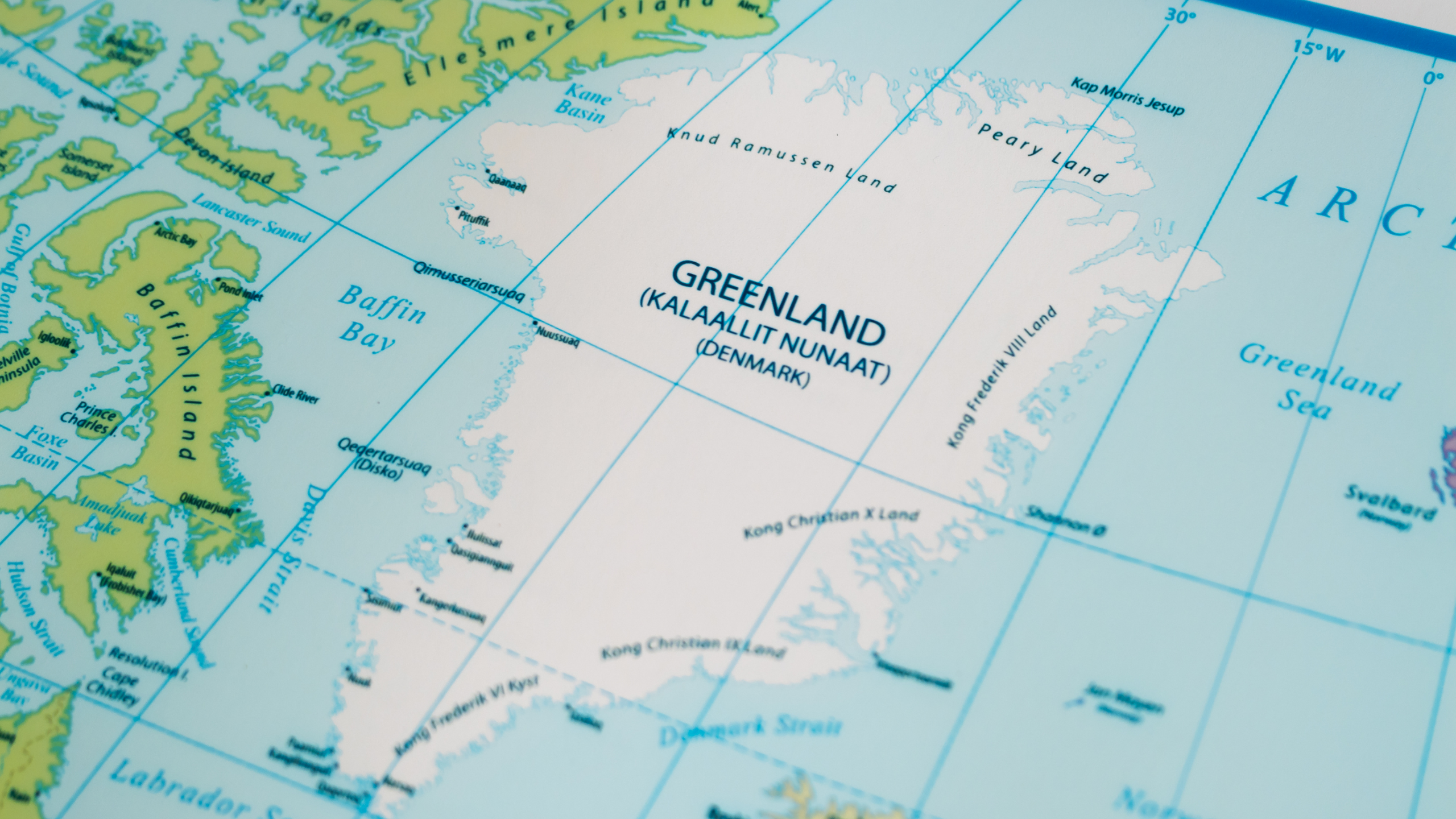
Washington has permanently stationed 200 soldiers on the island at the remote Pituffik Space Base, compared to Denmark’s 75 troops in the capital Nuuk. Trump had initially floated the acquisition in 2019 as a “real estate deal”. However, his latest statements have emphasised Greenland’s vital importance to US strategic interests. In particular, this relates to gaining greater access to the Arctic region and the Northwest passage, which will gain significant strategic and commercial value as a result of climate change. This interest is further driven by intensifying competition with Russia and China, as well as Greenland’s vast reserves of rare earth minerals.
In June 2025 Greenland issued a permit to EU-backed firm Greenland Resources to develop the Malmbjerg molybdenum project, a potential key contributor to Europe’s critical minerals supply. Separately, US-based Critical Metals Corp is exploring a joint venture with a Saudi partner to refine rare earths linked to the planned Tanbreez project, with some output earmarked for the US defence industry. However, significant doubts persist over commercial viability. Many identified deposits are remote and costly to extract, project economics are sensitive to commodity-price spikes, and key minerals face stiff global supply competition and low-cost alternatives elsewhere. Together, these factors signal that geopolitics, not mining, is the US’s primary motivation.
The US-Denmark tensions have re-ignited Greenlanders’ aspirations for independence. On 11 March 2025 the centre-right Democrats (Demokraatit) party won Greenland’s general elections, favouring a gradual path to independence once the territory is self-sufficient. Copenhagen has reiterated that Greenland is not for sale and that only Greenland’s citizens can decide its future. Greenland’s government could call a vote by invoking a 2009 autonomy law that grants the right to negotiate full independence. Polling indicates around 85 per cent support independence, with a similar share opposed to joining the US.
Risk outlook
While Washington is unlikely to militarily seize Greenland, Trump’s erratic comments and likely further threats to extract better terms will increasingly strain trans-Atlantic relations and fuel EU divisions over how to respond. On 26 January EU lawmakers postponed a decision on resuming talks with the US after Brussels postponed the approval of a US-EU free trade deal over Trump’s tariff threats. While Russia has signalled occasional support for Trump to further inflame tensions inside NATO, it will see view US activity in the Arctic to counter its power projection with concern. Danish, Greenlandic and US officials have formed a working group to discuss US demands, but the concrete terms of the framework deal remain unclear. Sustained tensions and prolonged negotiations will add to Europe’s economic uncertainty amid the risk of further tariff threats.