
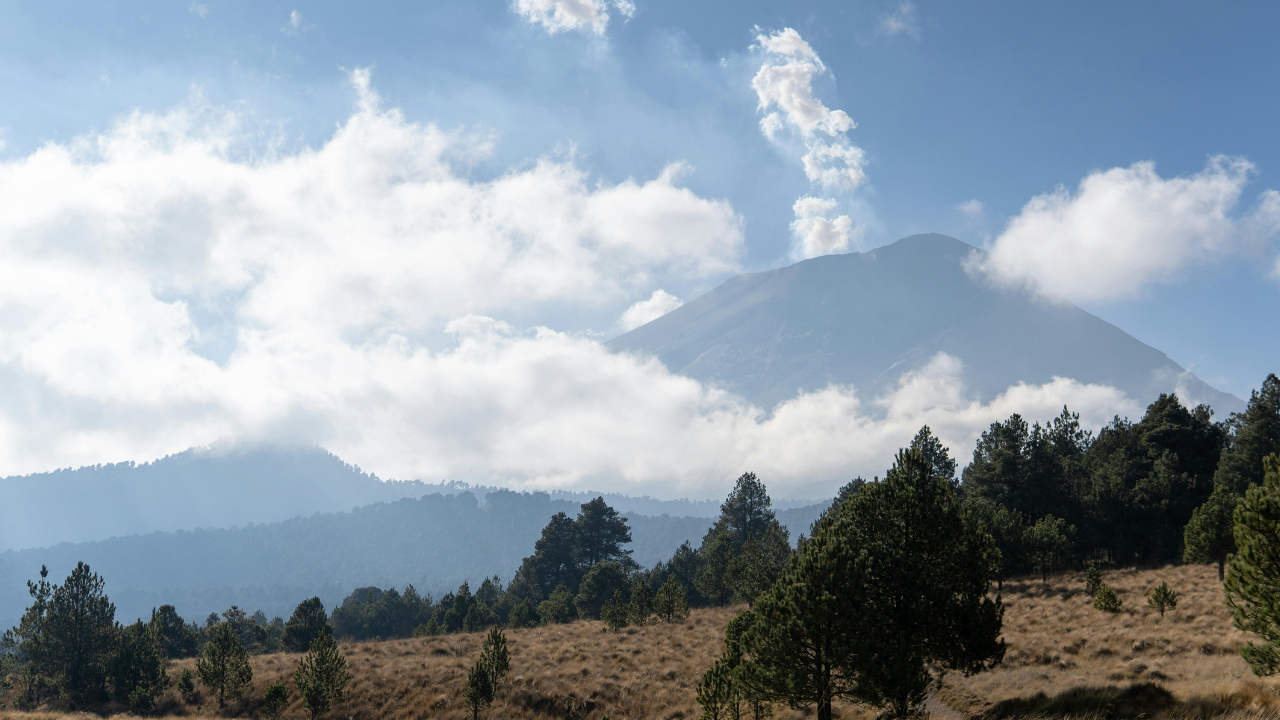
Americas: CJNG cartel leader killed in security operation, triggers retaliatory violence in Mexico
Sectors: all
Key Risks: violent clashes; business disruptions; targeted attacks
In Mexico, on 22 February Jalisco New Generation Cartel (CJNG) leader Nemesio Oseguera Cervantes, alias “El Mencho”, was killed during a US-assisted security operation, including the air force and special forces, in Tapalpa, Jalisco state. Oseguera – who faced multiple US indictments and had a US$15m bounty – died from injuries sustained during the operation while being flown to Mexico City. The cartel launched retaliatory attacks across 20 states – including torching vehicles and businesses and erecting roadblocks – triggering localised clashes with security forces. The unrest led to school suspensions in Guadalajara and flight cancellations to and from Puerto Vallarta and Guadalajara by multiple airlines. President Claudia Sheinbaum’s government announced the security forces have cleared 90 per cent of blockades erected across federal and state highways and roads. The risk of further retaliatory violence, including school, business and transport disruptions, will be elevated in the coming weeks.
Click here to access Mexico’s Global Intake country profile.
Asia Pacific: TPNPB intensifies targeted attacks in Indonesia’s West Papua region
Sectors: mining; logging; oil & gas
Key Risks: violent clashes; targeted attacks; political violence
In Indonesia, on 21 February two people were killed and 75 others – including 26 Chinese nationals – were evacuated after the West Papua National Liberation Army (TPNPB) rebel group attacked a gold mine in Nabire, Central Papua province. On 11 February two pilots were killed by the TPNPB at Korowai Batu Airport in Boven Digoel district, South Papua province. On the same day, one person was killed and two others injured after the TPNPB carried out a shooting attack on mining company Freeport McMoRan’s vehicles in Tembagapura, South Papua province. The intensification of attacks followed a series of drone strikes targeting displaced civilians and refugee camps near Yimuk, Central Papua province, between 31 January and 6 February. Jakarta has justified these strikes as an “offensive against armed criminal groups”. Escalatory attacks on commercial assets and staff remain likely in the coming weeks.
Click here to access Indonesia’s Global Intake country profile.
Eurasia: One killed, 25 injured in IED blast in Ukraine’s Lviv; Russian attacks set to intensify
Sectors: all; energy
Key Risks: war-on-land; targeted attacks
In Ukraine, on 23 February four people were killed in the latest Russian drone barrage countrywide. Two were killed in Odesa, Odesa Oblast, after Moscow targeted industrial, energy and civilian infrastructure. Separately, on 22 February a police officer was killed and 25 people were injured in an IED explosion in Lviv, Lviv Oblast. Two IEDs reportedly exploded after police crews responded to a reported break-in. President Volodymyr Zelensky stated that the suspect behind the explosion was detained, while Lviv’s Mayor Andriy Sadovyi identified the suspect as a Ukrainian woman. The police later added that she had planted the IEDs on the “instruction” of an agent of Russia’s special services. While such attacks are uncommon, further incidents cannot be ruled out, particularly around the invasion’s anniversary on 24 February. Countrywide drone and missile strikes will also likely intensify.
Click here to access Ukraine’s Global Intake country profile.
Europe: Protests, diplomatic row with US erupt in France over killing of far-right activist
Sectors: all
Key Risks: civil unrest; political stability
In France, on 21 February thousands of people protested in Lyon, denouncing far-left violence following the killing of a far-right activist. Authorities reported displays of Nazi salutes and racist insults. Separately, Paris summoned US Ambassador Charles Kushner over his comments on the killing amid a growing diplomatic row, after US officials sharply condemned alleged far-left terrorism. This came after on 15 February 23-year-old student Quentin Deranque died from his injuries in hospital after being assaulted on 13 February outside a conference held by far-left European Parliament MP Rana Hossein. On 17 February 11 people were arrested in connection with his killing, including an aide to a far-left MP. The killing sparked condemnation from officials, particularly right-wing politicians across Europe. Tensions will remain high amid growing polarisation. Further protests are likely.
Click here to access France’s Global Intake country profile.
MENA: Washington warns of limited strikes on Tehran amid largest US military buildup in decades
Sectors: all
Key risks: regional escalation; regional conflict; political stability; civil unrest; trade disruptions
On 20 February US President Donald Trump told reporters he may be “considering” a limited strike on Iran. This happened after on 19 February Trump warned that Tehran has 10 to 15 days to agree to a deal as Russia and Iran conducted maritime drills in the Gulf of Oman and a second US aircraft carrier, the USS Gerard R. Ford, deployed to the region, marking the largest US military buildup in the Middle East in decades. Moreover, renewed student protests in Tehran and Mashhad, Razavi Khorasan province, on 21–22 February, coupled with rising bread prices, risk sparking wider unrest and potentially justifying Trump’s broader intervention to prevent further crackdowns, as he had threatened on 11 January. Although the next round of nuclear negotiations with Washington is scheduled for 26 February in Geneva, key disagreements over uranium enrichment persist, making an escalation more likely in the short term.
Click here to access Iran’s Global Intake country profile.
Sub-Saharan Africa: Wazalendo launch offensive to capture strategic mine in eastern DRC
Sectors: all; mining
Key risks: civil war; violent clashes; insurgency; business; economic
In the DRC, on 22 February violent clashes broke out between the Rwandan-backed March 23 Movement (M23) rebel group and pro-government militias, known as Wazalendo, near the strategic mining town of Rubaya, North Kivu province. The clashes broke the 18 February ceasefire brokered by Angola on 13 February, with both Kinshasa and M23 accusing each other of acting in bad faith. Fighting was reported as early as 19 February in Fizi territory, South Kivu province. Beyond ceasefire violations, the Wazalendo offensive was likely launched as Kinshasa sees the recapture of Rubaya as a key priority, with Rubaya mine being one of various assets offered to the US under a proposed mining cooperation framework on 5 February. Rubaya mine reportedly generates M23 US$800,000 a month and is one of the richest tantalum deposits globally. As US-DRC relations deepen, further pressure on M23-controlled Rubaya is highly likely.
Click here to access DRC’s Global Intake country profile.