
Date first published: 07/07/2026
Key sectors: all
Key risks: political stability; governance; political uncertainty
Risk development
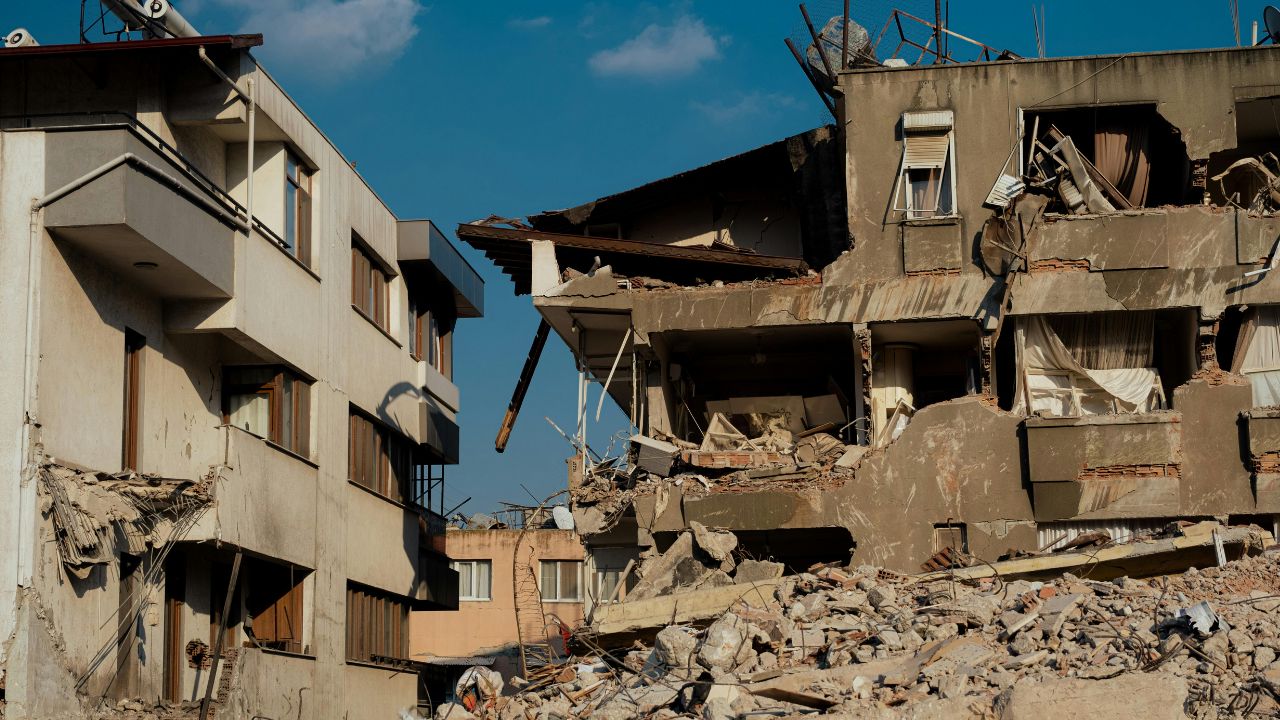
On 24 June twin earthquakes measuring 7.2 and 7.5 struck Venezuela, killing at least 3,535 people, injuring around 16,740 others and causing an estimated US$6.7bln in damage. The death toll is expected to continue rising. Interim President Delcy Rodriguez has faced mounting criticism over what survivors, volunteers and aid organisations describe as a slow and poorly coordinated response. Civilians and foreign rescue teams led much of the initial search-and-rescue effort, while residents accused authorities of delaying aid and heavy equipment. Rodriguez rejected the criticism, insisting the government responded immediately and accusing political opponents of spreading disinformation. Meanwhile, opposition leader Maria Corina Machado has sought to return to Venezuela to assist recovery efforts, suggesting the opposition believes the government’s handling of the disaster has created a political opening.
Why it matters
The earthquakes represent the first major political test of Rodriguez’s leadership since she assumed the presidency following Washington’s removal of former president Nicolas Maduro on 3 January. While the humanitarian response remains the government’s immediate priority, public perceptions of how effectively the administration manages rescue, recovery and reconstruction are likely to become a significant early measure of Rodriguez’s political legitimacy.
Although Rodriguez only assumed the presidency following Maduro’s removal, she served as his vice-president and was a senior figure throughout his administration. Therefore, public frustration over the disaster response has the potential to evolve into broader dissatisfaction with the institutions and governance model established under Maduro and his predecessor, former president Hugo Chavez. The earthquakes have consequently provided the opposition with an opportunity to argue that the change in leadership has yet to – and is unlikely to – deliver meaningful improvements in governance or state capacity, thus offering a chance to rebuild political momentum.
Background
The scale of the disaster has exposed long-standing structural weaknesses that predate Rodriguez’s presidency. Engineers have linked the extent of the destruction to decades of weak enforcement of building regulations, poor oversight of public housing projects and institutional deterioration under Chavez and Maduro. At the same time, years of economic collapse, corruption and mass emigration have hollowed out the country’s emergency response capacity, leaving volunteers and foreign rescue teams to fill gaps that many citizens believe should have been met by the state.
These same governance failures likely contributed both to the severity of the destruction and to the shortcomings of the state’s response. Although Rodriguez inherited weakened state institutions on assuming the presidency, she also helped govern them as Maduro’s vice-president, making it difficult for many Venezuelans to separate the current administration from its predecessors when assigning political responsibility.
Risk outlook
The political impact of the earthquakes is likely to depend less on the initial rescue effort than on whether the government can demonstrate a credible and effective recovery over the coming months. Continued delays, allegations of mismanagement or further evidence of corruption are likely to reinforce public perceptions that institutional weaknesses remain fundamentally unchanged despite Maduro’s removal.
The opposition is likely to portray the government’s handling of the disaster as evidence that the country’s underlying governance failures remain unresolved. Machado’s attempt to return to Venezuela suggests she believes the crisis has created a political opening to challenge Rodriguez’s authority and re-establish herself as the leading alternative to Chavista rule. If public anger broadens from criticism of the emergency response to wider dissatisfaction with the institutions Rodriguez helped oversee under Maduro, the earthquakes could become not only a humanitarian disaster but also a defining moment for the country’s political future.